



Why an AI Agent Needs a Mandate
Main BTU researchers’ analytical assessment is that an AI agent gains useful organizational independence when its principal, purpose and boundaries are explicit. A mandate connects an agent’s capability to a
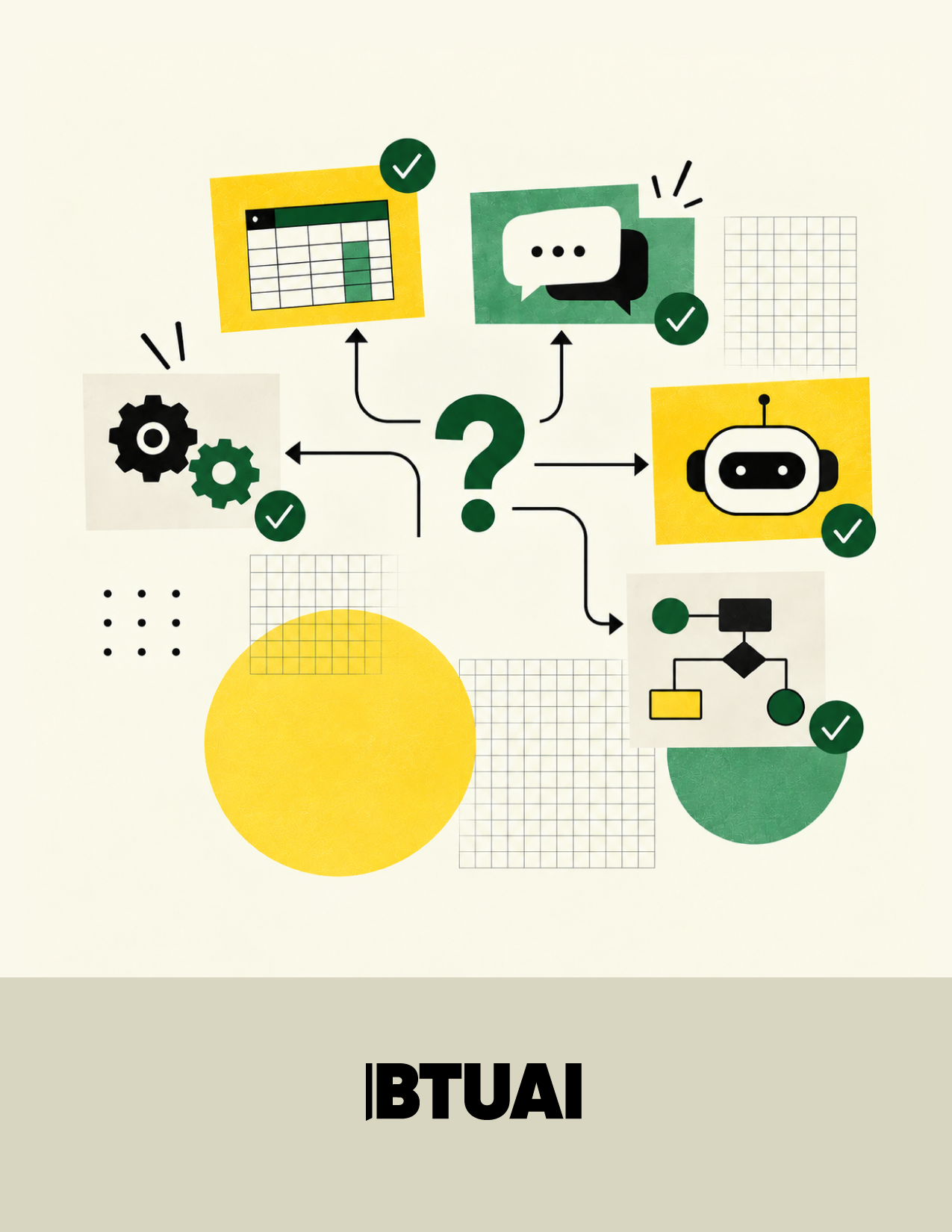
Why Not Every Task Needs an AI Agent
Key Takeaway As AI agents become more capable, organizations face an understandable temptation: if a system can plan, use tools and act, why not make every process agentic? Because autonomy

When Does an AI Agent Start Acting?
Key Takeaway An AI agent can spend substantial time interpreting a goal, retrieving context, comparing options and planning without yet changing anything in the organization. The meaningful action boundary appears
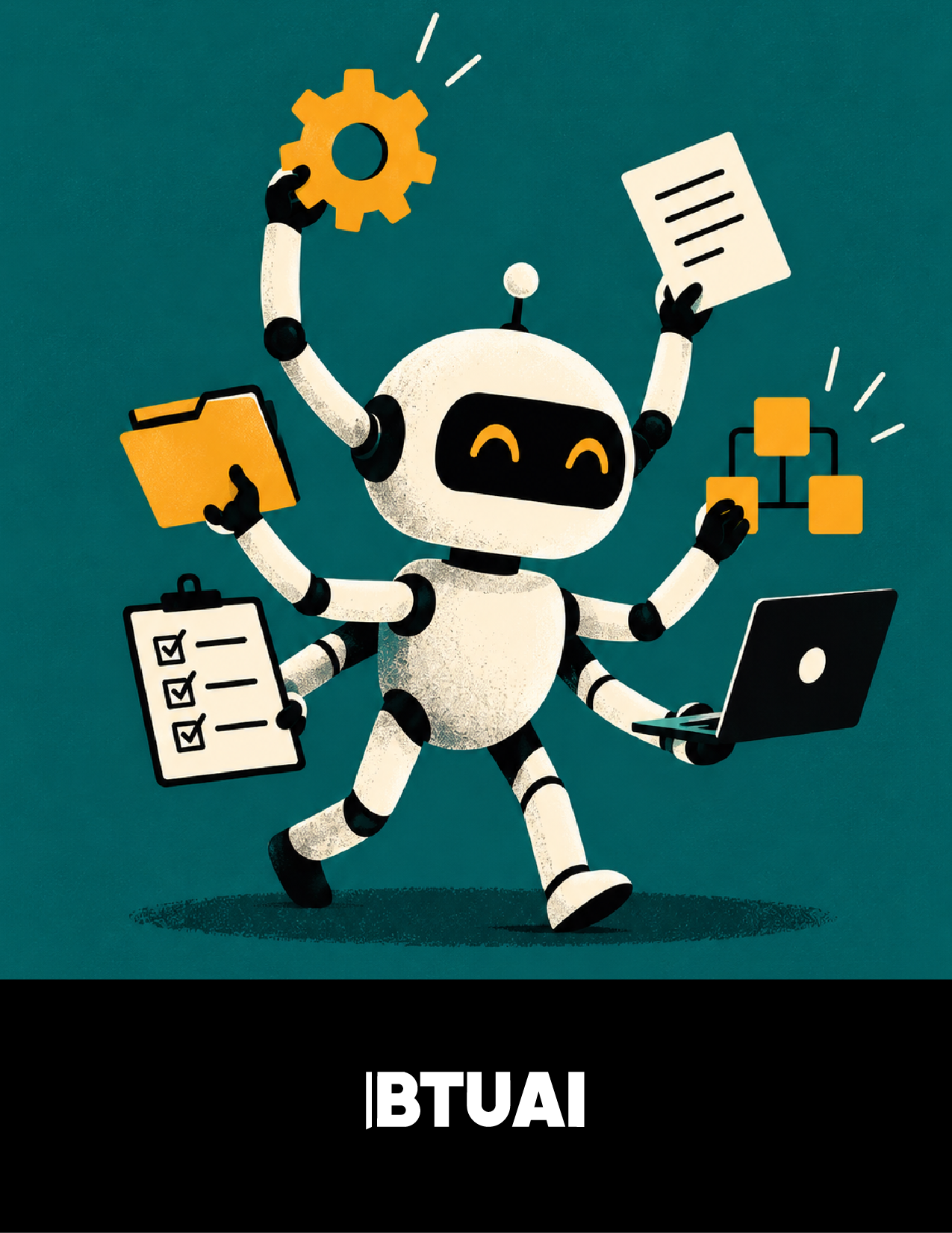
Not Every Chatbot Is an AI Agent
Key Takeaway A chatbot can be remarkably capable without being an AI agent. It may explain complex material, search information, read files, use selected tools and maintain a sophisticated conversation.
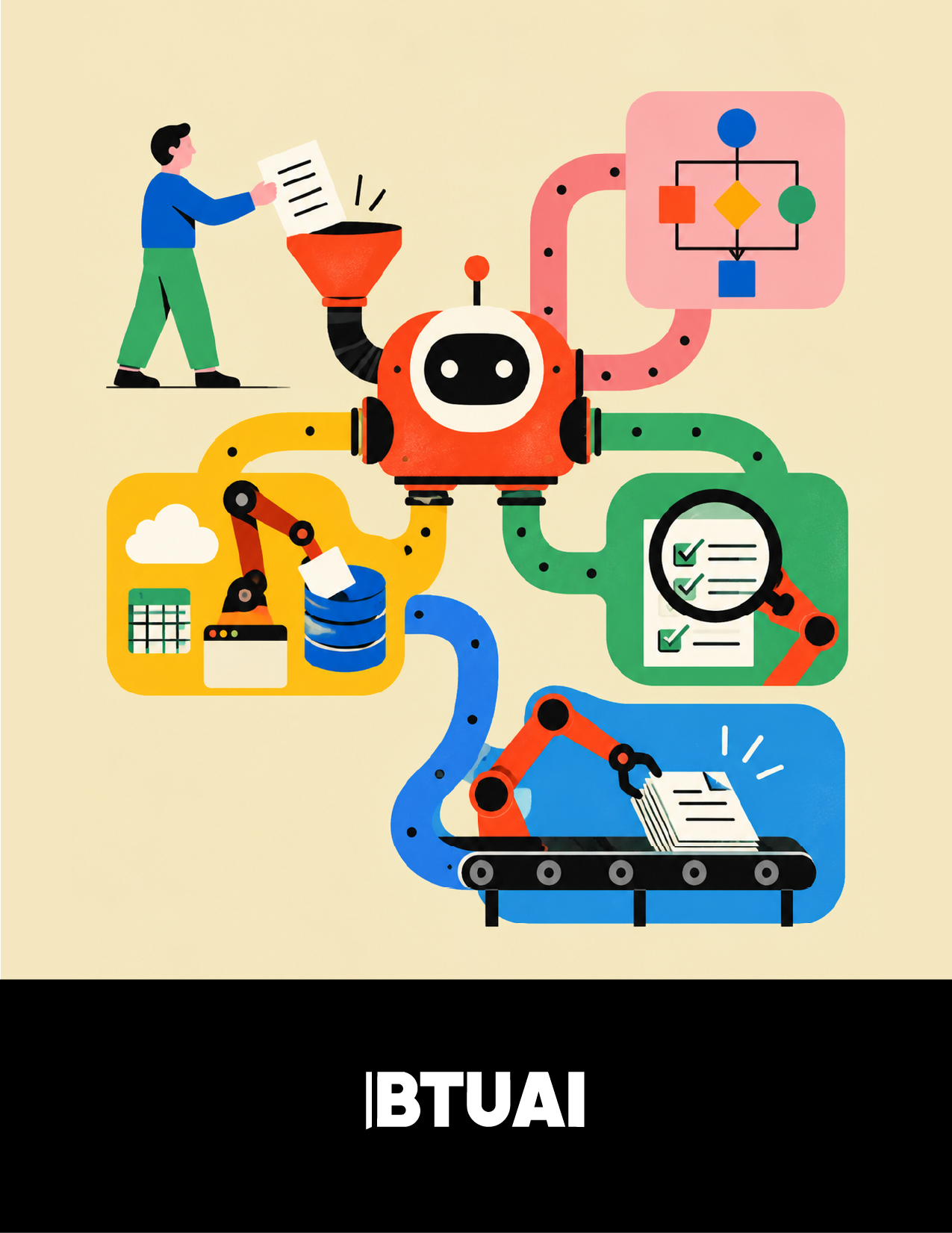
What Does an AI Agent Actually Do?
Key Takeaway Tell an AI system, “Find five suppliers, compare price and delivery terms, check them against our procurement rules, and prepare the three best options,” and the difference between
How an Economy Becomes an AI Agentic System
Key Takeaway Millions of people can use AI every day without the economy itself becoming agentic. Companies can deploy finance, sales, procurement and research agents; consumers can use AI to