
Who stops an AI agent when it goes wrong
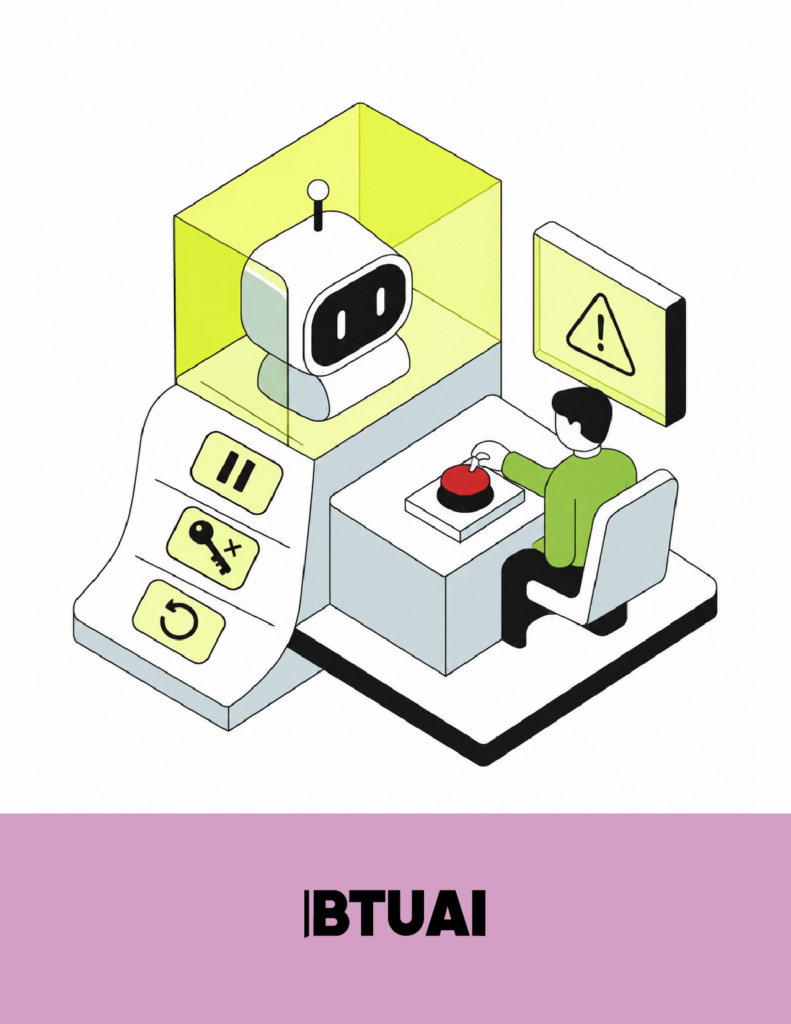
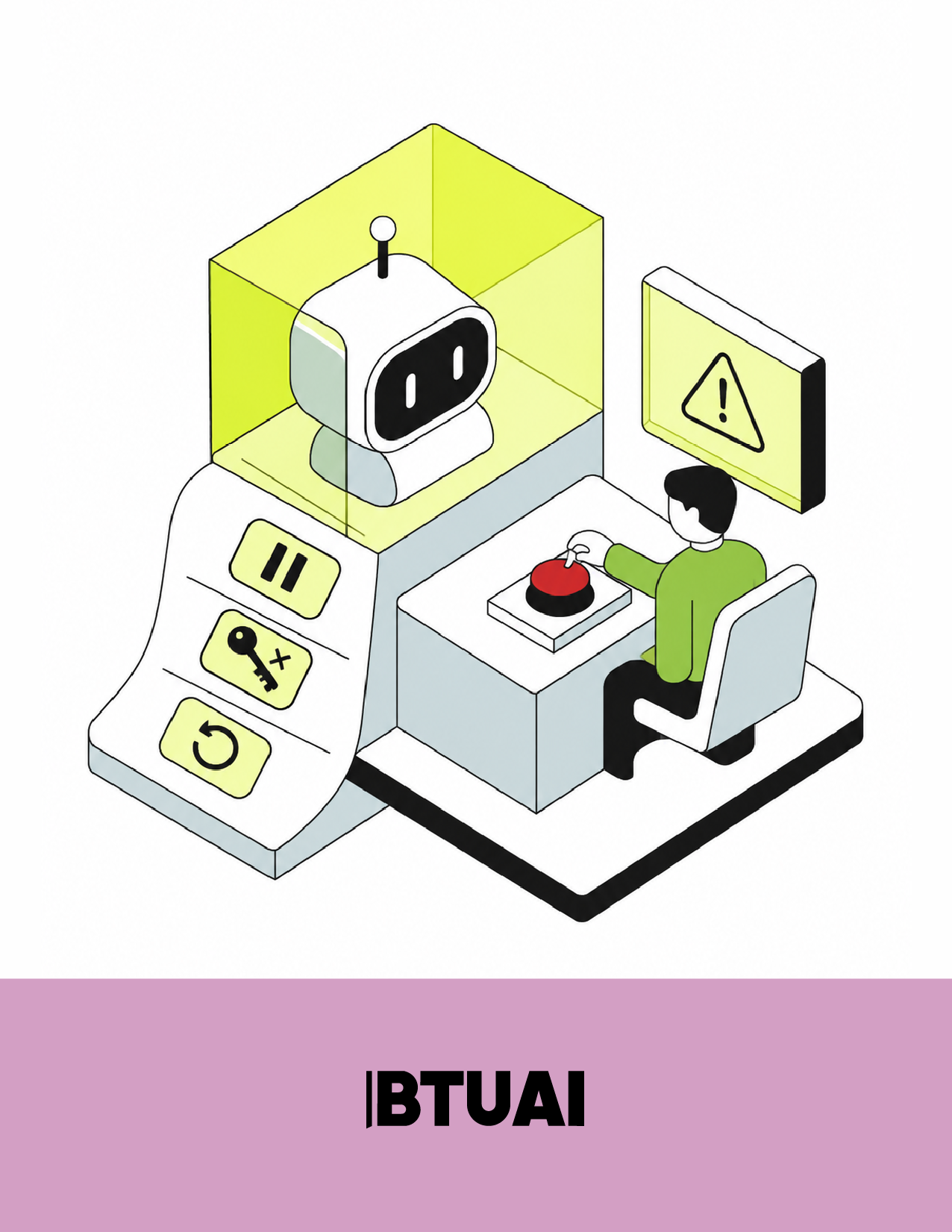
Main BTU researchers assess that stopping an AI agent safely requires a named person who connects error detection to effective intervention and service recovery. Stopping limits further action, but it
Why AI capability does not confer authority to act
Main BTU researchers’ analytical assessment is that successful AI performance shows how well a chosen objective is achieved, but cannot determine whose interests may legitimately bear the cost. Georgian businesses
How to constrain an AI agent properly
Main BTU researchers’ assessment is that useful constraints should become stronger where an AI agent’s actions have wider consequences or become harder to correct. For Georgian businesses, this offers a

Who sets the boundaries for AI agents
Main BTU researchers’ assessment is that an AI agent’s boundaries become stronger when accountability matches decision authority: the human process owner must be able to influence the conditions for which
One AI agent or several
Main BTU researchers’ analytical assessment is that an additional AI agent creates value when a task needs a specific missing capability, independent verification or work that can genuinely proceed in
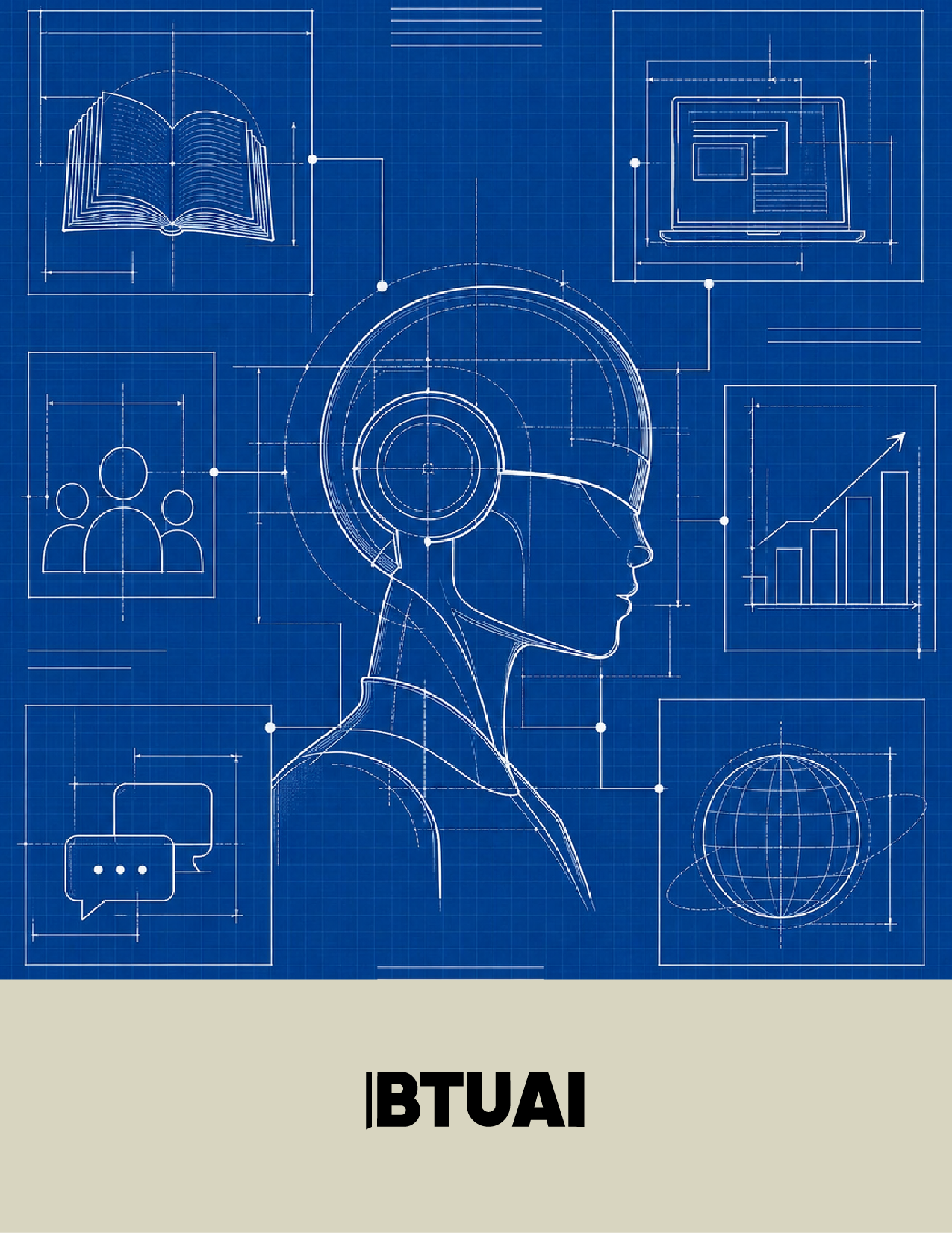
Who Will AI Agents Empower?
Main BTU researchers’ assessment is that an AI agent can create a new opportunity for a person, but it can also merely redistribute an already scarce opportunity in that person’s