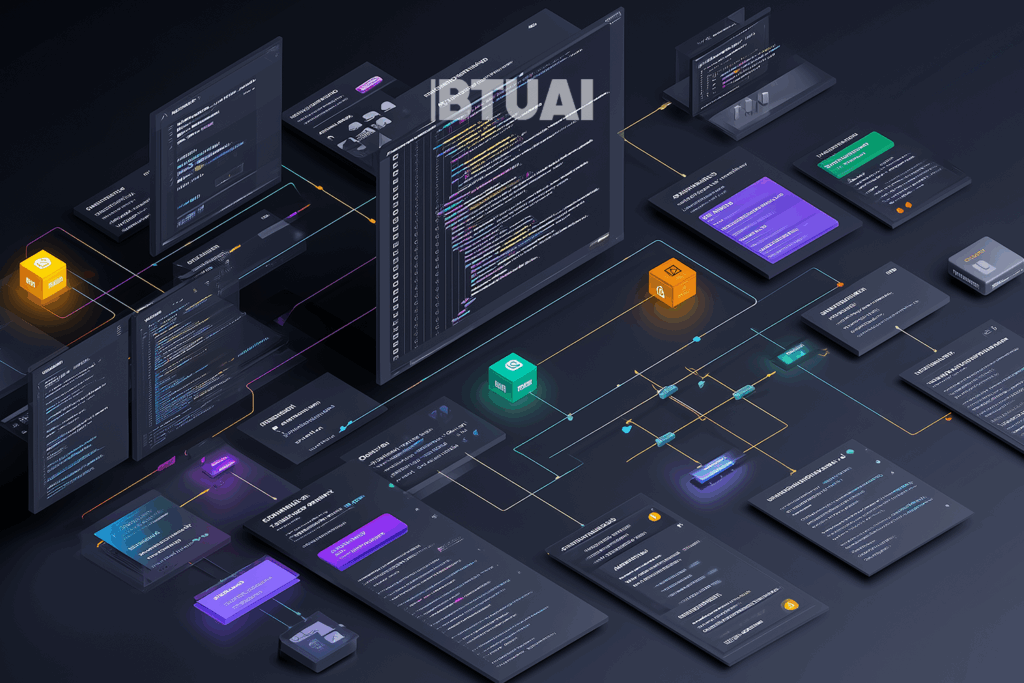



Agentic AI and the New Opportunity for Georgian Startups
For many years, building a startup meant a difficult sequence: an idea, finding a team, creating a first product, hiring developers, designing the user experience, researching customers, looking for investors,

AI, Creative Industries and the Experience Economy
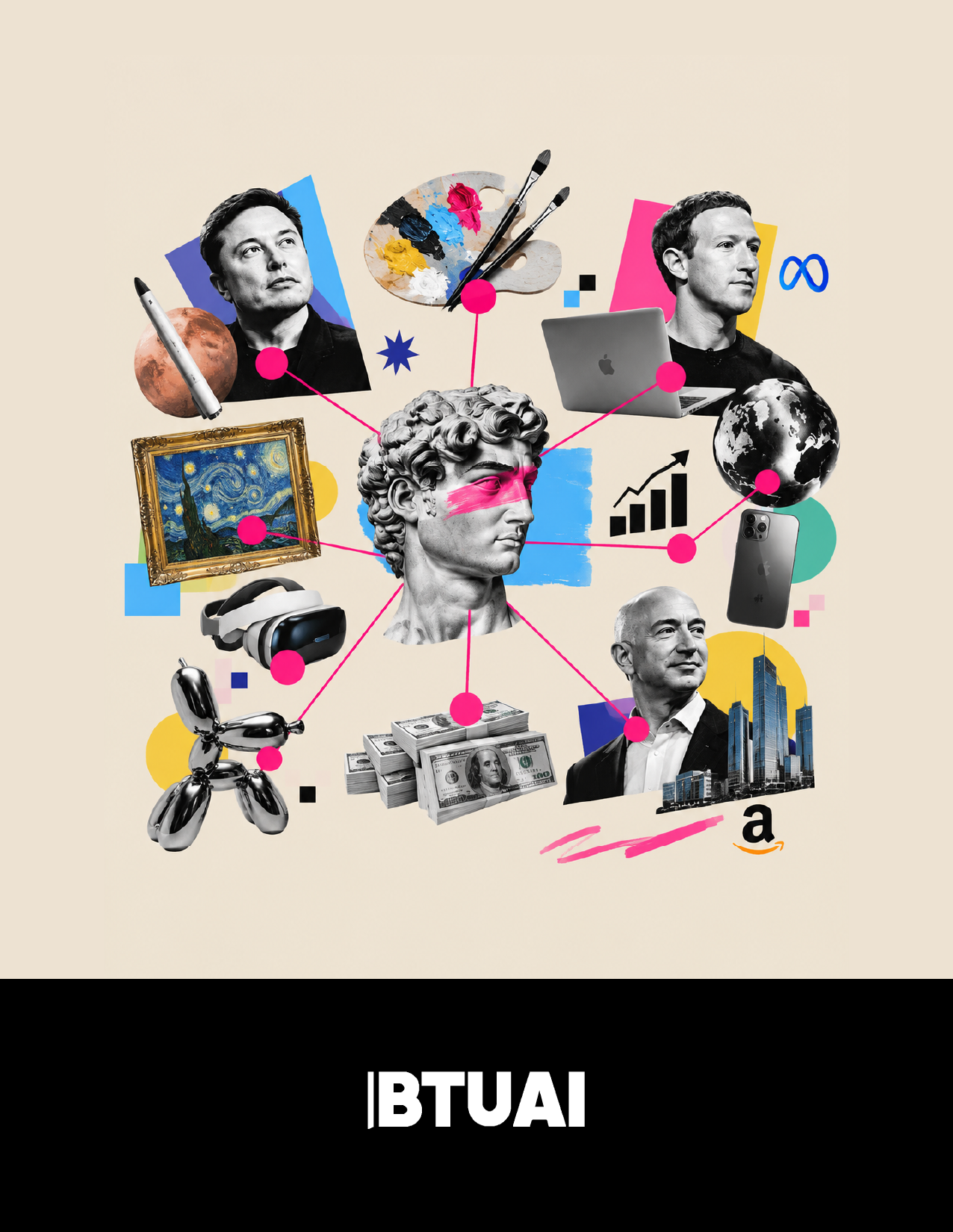
Artificial intelligence is rapidly reducing the cost of producing content. Text, images, music, video, advertising ideas, script outlines, design variations and social media posts can now be generated in seconds.

The Invisible Workers of AI: Data Annotation and the New Digital Labor in Georgia
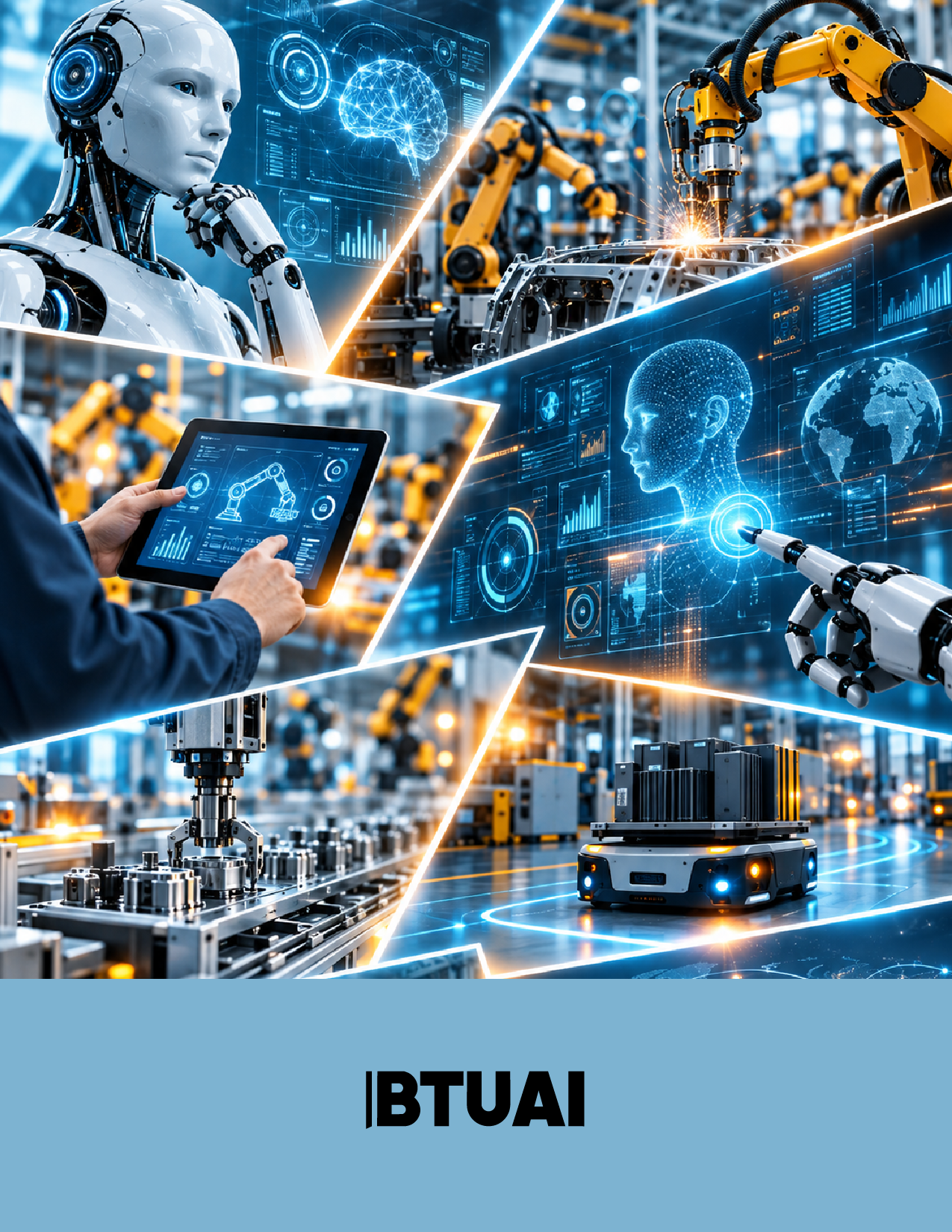
Artificial intelligence is often presented as if it learns, thinks and produces answers on its own. But behind AI systems there is a large amount of human labor: people evaluate

When Prediction Is No Longer Enough: Why Georgia Needs Scenario Thinking
Forecasting the future is becoming increasingly difficult. The reason is not only that technologies are changing quickly. The deeper challenge is that changes are now connected: artificial intelligence is reshaping

AI Adoption Is Overloading Middle Managers: What Georgian Business Should Consider
Companies often begin AI adoption as a technology project: a platform is selected, training is delivered, and leadership expects employees to work faster while the organization achieves more with fewer

Gen Z Is Not Avoiding Price – It Is Looking for Better Value: What Georgian Brands Should Understand
The new generation of consumers is more complex, more rational and more selective than many brands assume. Gen Z is not simply “trend-driven”. It compares prices, waits for discounts, checks