

Not Every Chatbot Is an AI Agent
Key Takeaway A chatbot can be remarkably capable without being an AI agent. It may explain complex material, search
Key Takeaway
A chatbot can be remarkably capable without being an AI agent. It may explain complex material, search information, read files, use selected tools and maintain a sophisticated conversation. None of those capabilities alone makes it agentic.
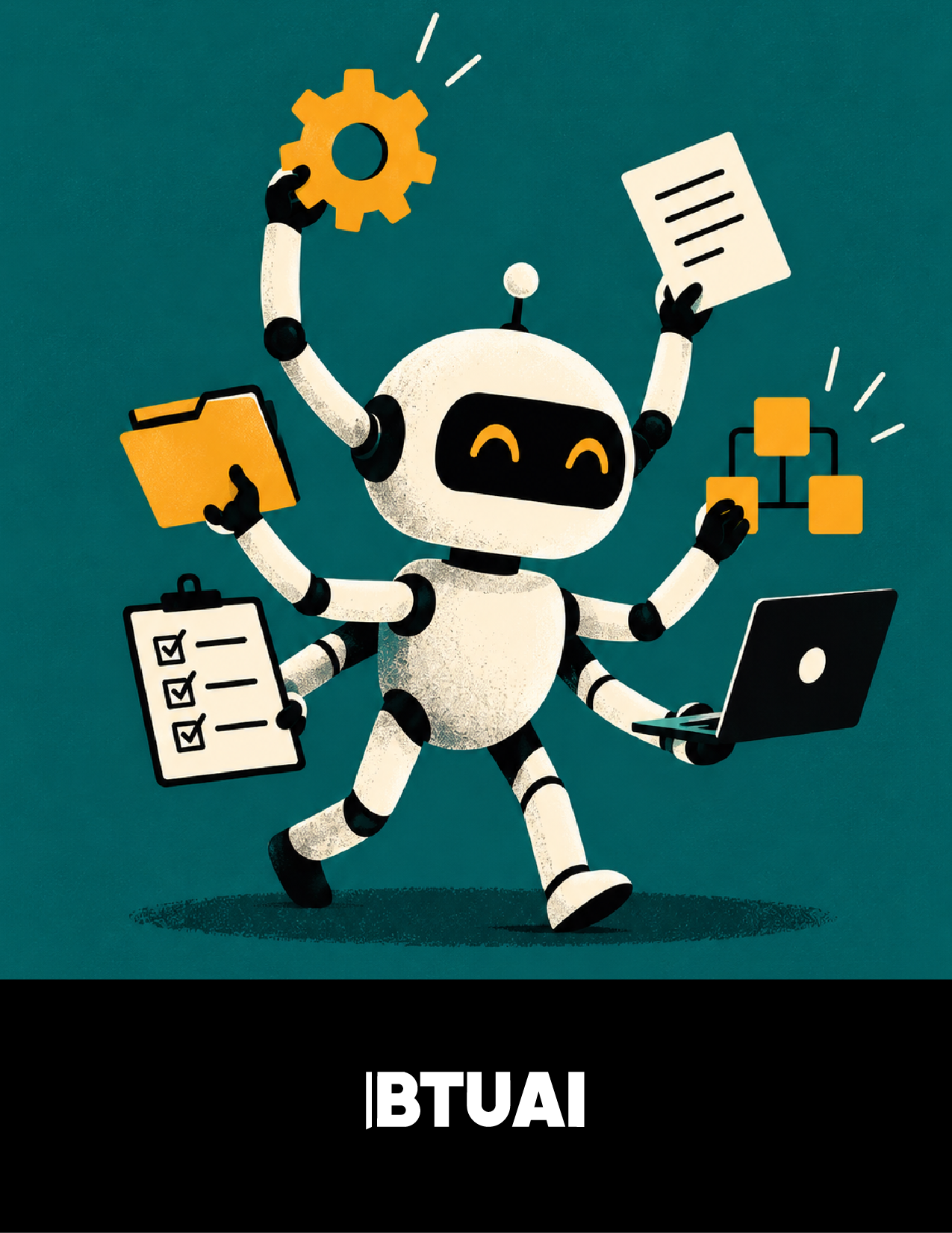
The deeper distinction is operational. A chatbot primarily responds to the user’s current request. An agent can receive a goal, determine or follow intermediate steps, use tools to continue the workflow, change the state of real systems within defined permissions, verify outcomes and escalate when the task exceeds its mandate.
That is why the difference matters for organizations. The moment AI moves from producing information to carrying work forward, the governance problem changes as well.
A Chatbot Is a Conversation Form; an Agent Is a Work Design
Chatbots are primarily conversational interfaces. The basic pattern is simple: a person asks, the system responds. Modern language models have made that interaction dramatically more capable, but the underlying interaction can remain turn-by-turn.
An agent does not need a chat interface at all. It may operate inside a workflow, receive a signal from another system, inspect data, perform a bounded action and only involve a person when a defined exception appears.
The useful question is therefore not whether the AI talks to you. It is who owns the continuation of the process.
A Great Answer Is Still Not an Action
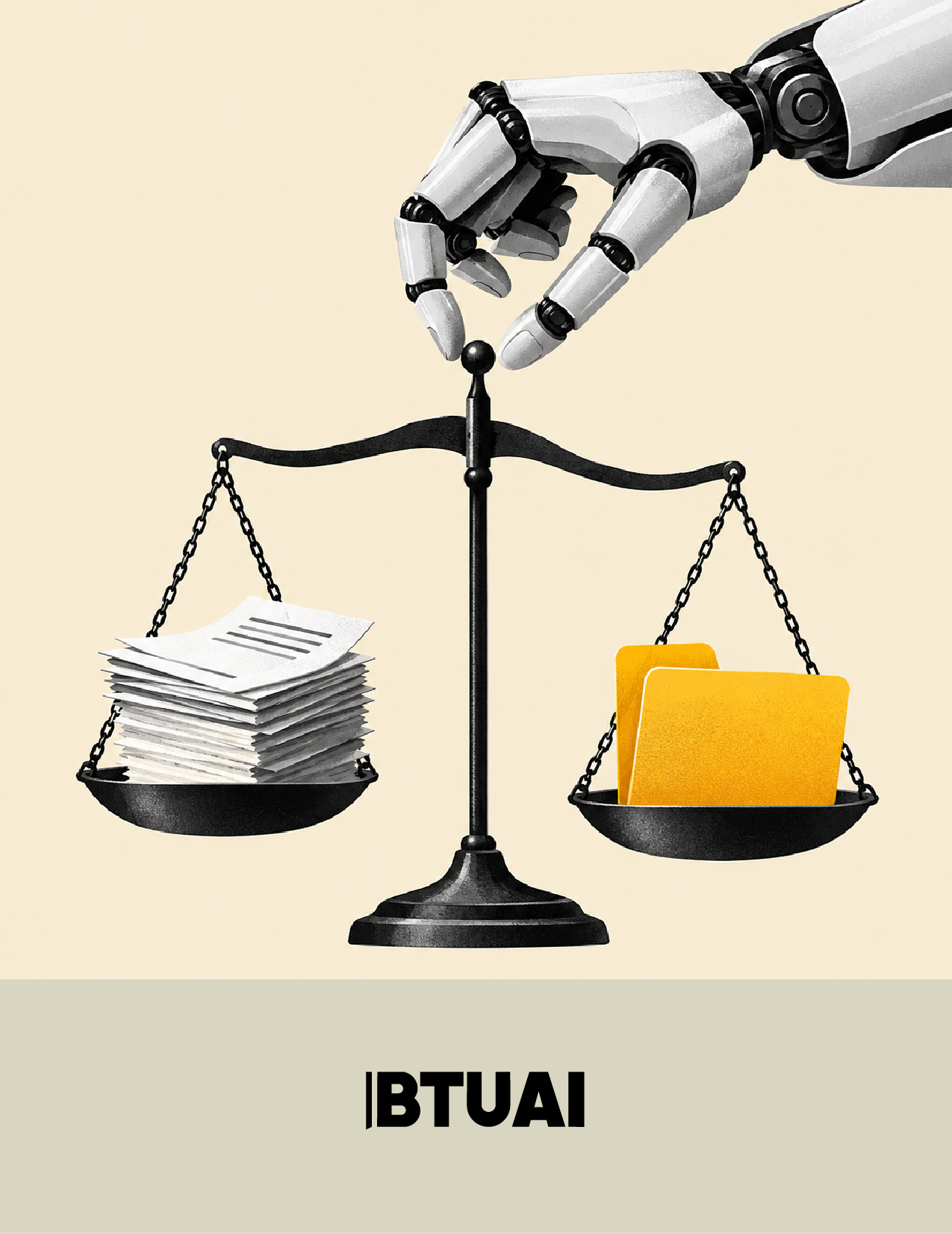
A chatbot can produce an excellent recommendation and still leave every operational step to the user. An HR chatbot can analyze a résumé, compare it with a job description and draft interview questions without having any authority to change the candidate’s status or send a rejection.
Agentic systems add a different layer: they can carry part of the process forward. That also changes the risk profile. A bad answer can be ignored. A bad action can enter another system, alter a record, send a message or trigger a transaction.
Tool Use Alone Does Not Make a System Agentic
The old shorthand – chatbots answer, agents use tools – is now too simple. Modern assistants can search the web, read files, inspect calendars and create documents.
The sharper distinction is how tool use is organized. If a user instructs each tool call one step at a time, the system may still be operating as an assistant. If the user sets an objective and the system decides which approved tools are needed, sequences the steps and continues the work under a mandate, the workflow is becoming agentic.
Tool use is a capability. Agentic execution is a delegated operating model.
A Real Agent Can Still Sit Behind a Chat Window
The opposite mistake is to assume that anything with a chat interface is only a chatbot. Many useful agents are controlled conversationally. The person gives a goal in natural language, while the system plans and acts in the background.
The chat window is then only the communication layer. Behind it may sit memory, knowledge sources, tools, permissions, workflow state, handoffs, evaluations and approval rules.
Two interfaces can therefore look almost identical while one only generates text and the other changes real operational systems. The visual difference may be small; the governance difference is not.
Agents Need Goals, Not Just Prompts
Chatbot interaction is naturally turn-based. The user asks, the system answers, and the broader objective may exist mainly in the user’s head.
An agentic workflow makes the goal part of the system design. The agent needs to know what it is trying to achieve, what counts as completion, which information is valid, what tools it may use, what it may change and when it must stop.
“Draft a polite response to this customer” is a conversational task. “Resolve the request using the approved policy, check the order status, prepare the remedy and escalate if the refund exceeds a defined amount” is an agentic workflow.
An Agent Must Verify, Not Merely Execute
Action without verification can scale mistakes quickly. Good agentic systems therefore need a loop that checks what happened after a step and decides whether to continue, correct, retry or escalate.
A system that updates a record can verify the update. One that prepares an external message can validate the recipient and template. High-impact steps can require explicit human approval.
The goal is not an AI that simply does more. It is an AI that knows what it is doing, how it checks the result and when it should stop.
Agentic Does Not Mean Fully Autonomous
AI agents are often described as highly autonomous systems. In real organizations, the strongest design may be deliberately constrained.
Routine, reversible work can support broader delegation. Payments, employment decisions, legal commitments and reputationally significant actions require tighter human control. An agent may still collect evidence and prepare the next step while the final action remains human.
The defining feature is therefore not maximum freedom but a clear mandate.
The Illusion of an Agent
The label “AI agent” is increasingly used as a marketing term. A system may describe a plan, say what it will do and use several features while still being unable to continue work independently.
A useful test is behavioral: if the user stops giving instructions, can the system continue an authorized workflow? Does it maintain state? Does it have real tools, limits, verification and escalation? Can it change the state of the process rather than merely describe what should happen?
Those questions reveal more than the product name.
A Chatbot Can Be the Right Design
The fact that a chatbot is not an agent is not a criticism. Many business tasks are better served by conversational AI: explaining information, retrieving knowledge, drafting, brainstorming, interpreting documents or supporting decisions.
Agentic systems add integration, security, logging, monitoring and incident-management requirements. If the organization does not need delegated workflow execution, more autonomy can create cost without proportional value.
The right starting question is therefore: Do we need a better answer, or do we need the work to keep moving without a person initiating every step?
An Illustrative Georgian Case
Consider a Georgian private clinic. A chatbot can explain working hours, services and administrative information and guide a patient toward the right department. That can already reduce call-center load.
An agentic version can go further: check physician availability, find suitable times, verify administrative prerequisites, prepare the booking and complete a low-risk standard appointment. A complex health question, emergency signal or consequential exception should still move to a person.
Both systems are useful. The difference is that the second one requires permissions, traceability, verification, safe stopping and explicit accountability.
BTU Researchers’ Assessment
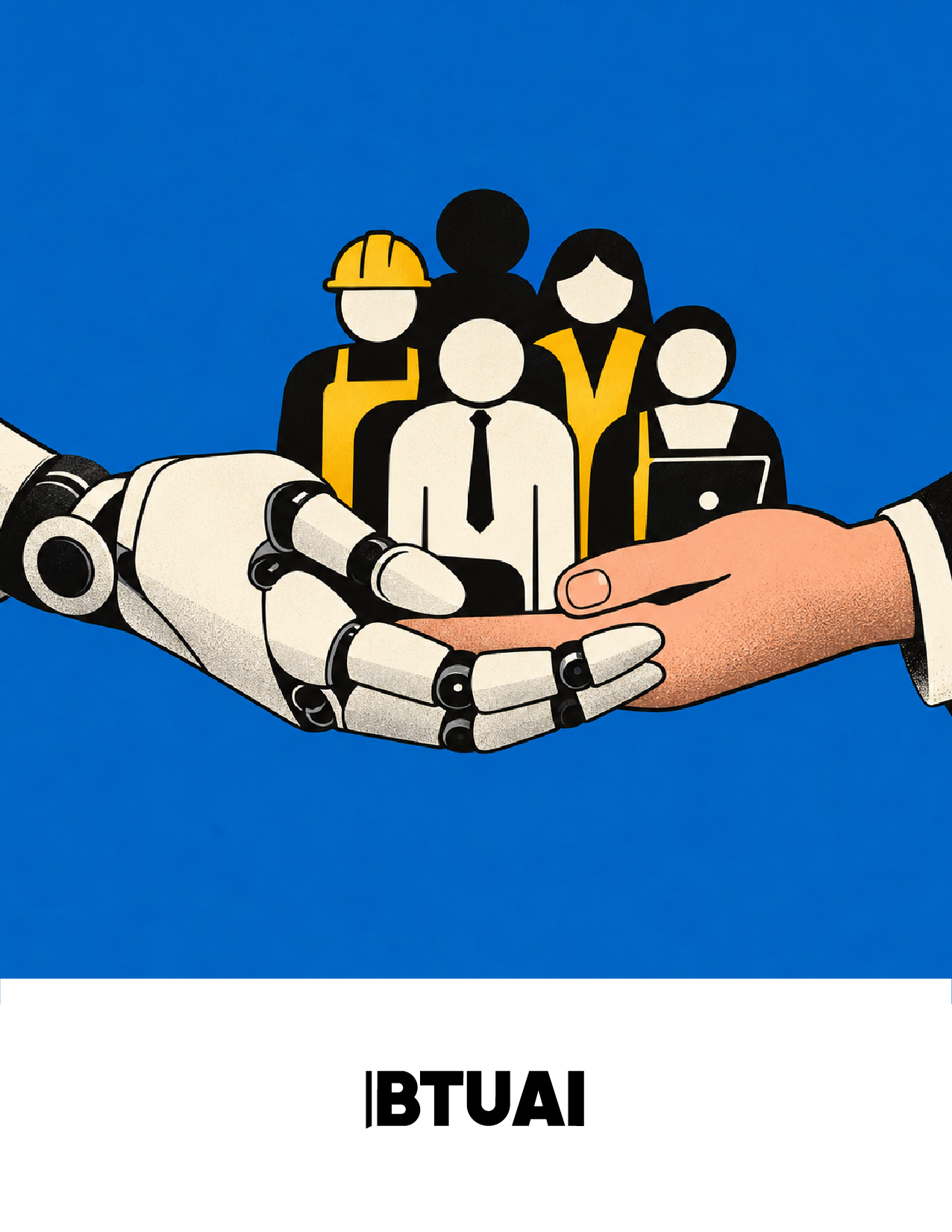
According to BTU researchers, the most important boundary between a chatbot and an AI agent is the architecture of action. A chatbot is primarily an information and dialogue system. An agent combines a goal, workflow state, tools, mandate, verification and execution in a single operating cycle.
Agentic capability should therefore be understood as a spectrum rather than a marketing category. The same system can behave conversationally in one context, assist a person in another and execute agentically in a well-defined workflow.
For organizations, the better question is not “Is this product an agent?” It is “Which actions have actually been delegated to it, under what limits, and who remains accountable?”
Key Findings
- A chatbot is primarily a conversational interface; an AI agent is a goal-oriented action system.
- A highly capable chatbot may still not be agentic if a human initiates every next step.
- Tool use alone does not create agentic behavior; what matters is delegated workflow continuation.
- Agents can use chat interfaces, so visual form is not a reliable classification.
- Agentic systems need goals, workflow state, tools, mandates, verification and escalation.
- Agentic does not mean unrestricted autonomy; strong agents may operate under narrow permissions.
- A wrong answer and a wrong action create different levels of operational risk.
- Many tasks are better served by chatbots or assistants than by agents.
- The relevant governance question is what action has been delegated and who retains final responsibility.
Why This Matters for Georgia
Georgian organizations can easily overcomplicate AI adoption by treating every conversational system as an agentic project. For many small firms, strong chatbots and assistants can already create value in knowledge access, customer service, drafting and internal support.
Agentic architecture becomes more useful when the organization identifies repeatable workflows that cross systems and require ongoing coordination. A staged approach – reliable conversational AI, governed knowledge, controlled tool access and then bounded low-risk agentic workflows – can reduce unnecessary complexity and risk.
Conclusion
Not every chatbot is an AI agent, and not every chatbot needs to become one.
The agentic shift occurs when AI moves from producing information to carrying authorized work forward: pursuing a goal, using tools, maintaining state, verifying results and knowing when to stop.
The most useful skill for organizations is therefore not attaching the word “agent” to every AI system. It is recognizing exactly where conversation ends and delegated action begins.
Data and Main Sources
- BTU research and analytical work on AI Agentic Management, Human-Agent Workflows, Agent Mandates, Decision Rights and Human Oversight.
- OpenAI – A Practical Guide to Building AI Agents and official agent-system materials.
- Anthropic – Building Effective Agents.
- European Commission – EU AI Act risk-based governance and human-oversight principles.
This material is analytical and educational in nature. It does not constitute specific technology, legal, financial, investment or organization-specific professional advice.
Prepared by the academic team of Business and Technology University and the BTUAI Research Team, Tbilisi, Georgia.