
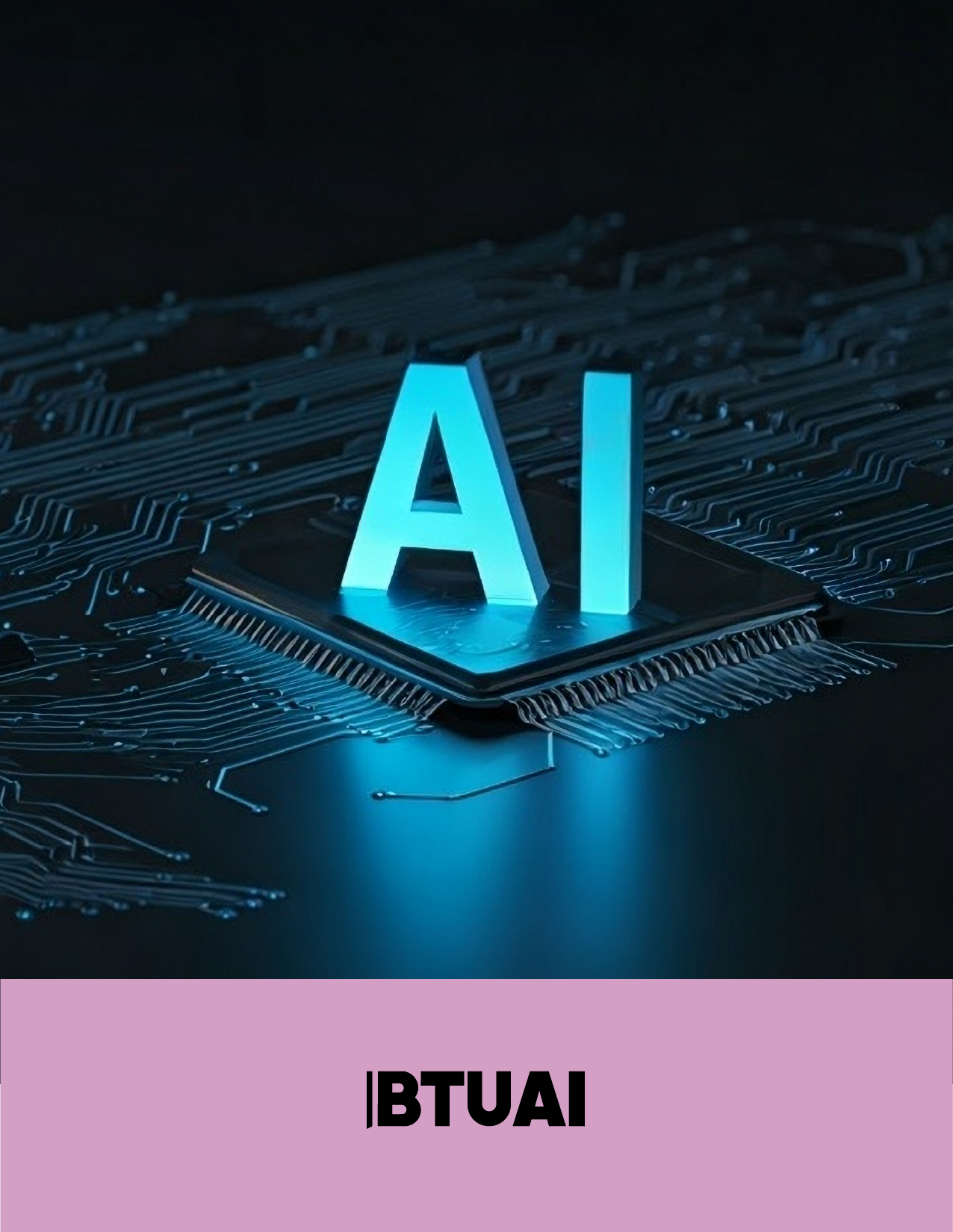



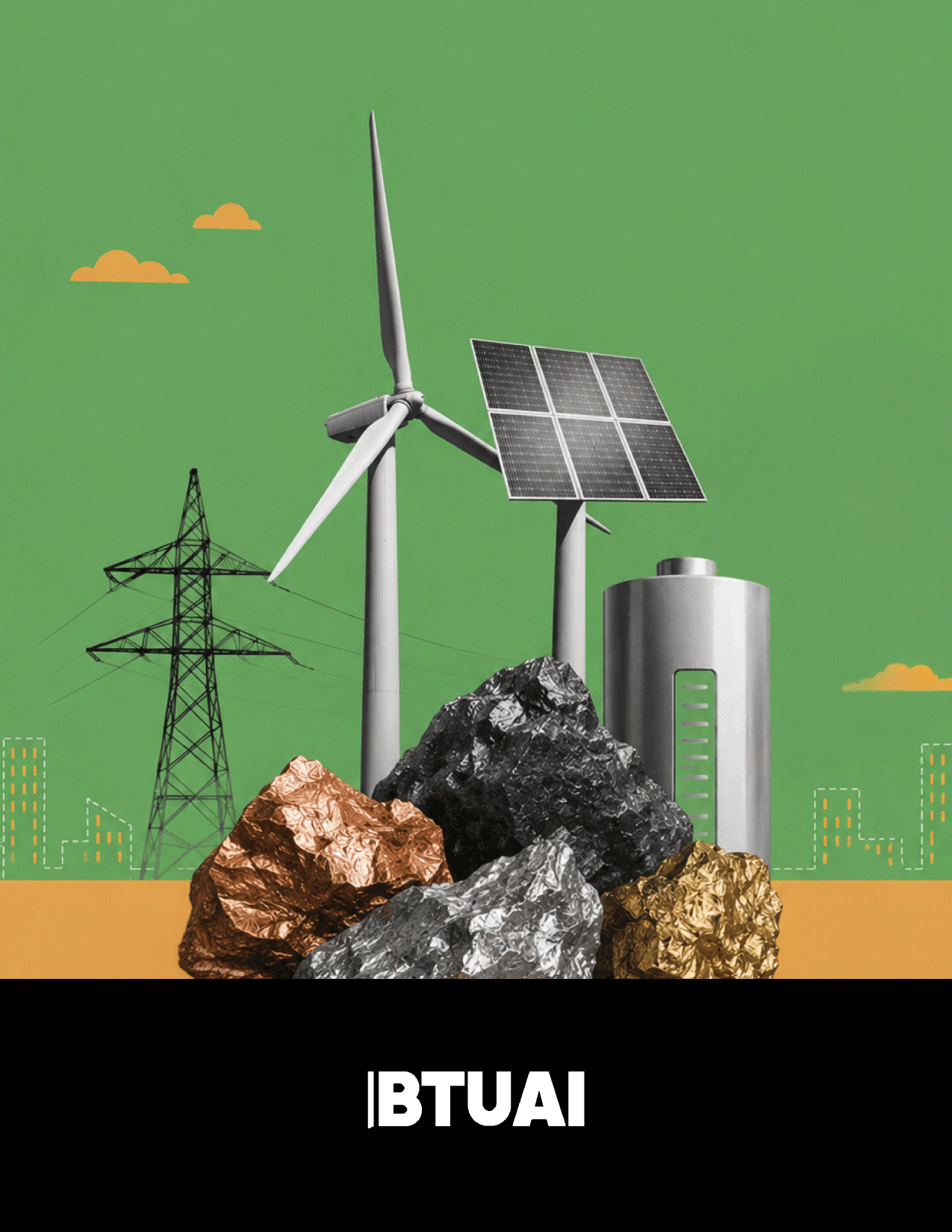
When the world talks about the development of artificial intelligence, attention often goes to chips, models, software systems and major technology companies. But the real foundation of the AI economy is far more physical: electricity, data centers, cooling systems, transmission grids, copper, aluminum, lithium, nickel, rare earth elements, uranium, semiconductor materials and logistics infrastructure.
AI does not exist only “in the cloud.” Every AI model runs on servers. Servers run on electricity. Data centers need land, grid access, cooling, water, security and large-scale capital. Electric vehicles, robots, drones, sensors, batteries and data infrastructure require metals and energy. The new technological economy is therefore not only a software economy. It is also an industrial, energy-intensive and resource-dependent economy.
For Georgia, this topic is strategic. The country may not become a global chip manufacturer, but it can understand its role in energy, data-center potential, regional logistics, technology education, critical-infrastructure protection and management of import dependence.
BTUAI assesses that Georgia’s main conclusion should be clear: preparing for the future of AI does not mean only training programmers. It means understanding energy systems, data infrastructure, industrial policy, metals and materials markets, cybersecurity and technological sovereignty as one connected system.
Main idea
The first visible layer of the AI economy is software: chatbots, code generators, image tools, analytical systems and business automation. But behind all of this stands heavy infrastructure.
The AI economic chain begins not only with code, but also with energy and materials:
a data center needs electricity;
electricity requires generation and transmission grids;
grids require copper, aluminum and transformers;
servers require chips;
chips require rare materials and complex production chains;
cooling requires water, energy-efficient systems and engineering;
electric vehicles and batteries require lithium, nickel, cobalt, graphite and other materials;
robots and drones require sensors, motors, batteries and control systems.
Therefore, competition in the AI era is no longer only about algorithms. It is also about energy, land, grids, metals, data, engineering, capital and public policy.
Why energy is becoming a central AI resource
Training and operating AI models requires large amounts of computing power. The larger and more complex the model, the more servers, chips, electricity and cooling it needs.
This means that data centers are becoming new industrial facilities. They do not look like traditional factories, but economically they resemble energy-intensive production sites. They consume electricity, rely on infrastructure and produce computing power – a resource that is becoming one of the foundations of the new economy.
Energy matters for AI for three reasons.
The first is cost. If electricity is expensive, operating AI infrastructure becomes expensive.
The second is stability. A data center needs continuous, reliable and high-quality electricity supply. Frequent outages or weak grid capacity create serious risk for AI infrastructure.
The third is scale. As AI grows, demand for electricity increases not only for companies, but also for the energy system. This raises a new question: can a country develop its energy infrastructure fast enough to support technological growth?
Why metals are becoming the basis of the new technological economy
The growth of AI, electric vehicles, data centers, renewable energy, robotics and digital infrastructure is increasing demand for industrial and critical metals.
Copper is needed for power grids, data centers, electric vehicles and charging infrastructure.
Aluminum is important for lightweight structures, power transmission and transport industries.
Lithium, nickel, cobalt and graphite are central to the battery economy.
Rare earth elements are used in magnets, motors, sensors, electric vehicles, wind turbines, defense technologies and high-precision devices.
Uranium is also returning to energy-security discussions, as some countries consider nuclear energy as a stable low-carbon source of electricity for data centers and industry.
This means the technology economy is increasingly connected to resource geopolitics. A country without access to critical materials, processing capacity, reserves or diversified supply may face higher costs in energy and technology transformation.
What this means for Georgia
Georgia is not a major global producer of critical metals and is not an industrial center for chips. But this does not mean the country is outside this process.
For Georgia, the issue matters in six directions.
- Energy security
If AI, data centers, electric vehicles, industrial automation and digital services grow, demand for electricity will also increase. For Georgia, energy security will no longer be only about serving households and traditional business. It will become an issue of technological competitiveness.
The country should consider:
how ready the grid is for new loads;
what the seasonal energy balance looks like;
how stable electricity supply is;
what role hydropower, solar, wind and storage will play;
how AI infrastructure should be connected with energy planning.
- Data centers
Georgia can consider data centers as part of digital infrastructure, but carefully. A data center is not only a symbol of technological prestige. It is an energy-intensive, capital-intensive and security-sensitive facility.
Several questions must be assessed:
where a data center can be located;
how much energy it will require;
how it will affect the local grid;
what cooling or water demand it will have;
what cybersecurity standard it needs;
which data should be stored inside the country;
what economic benefit the region will receive.
- Electric vehicles and charging infrastructure
The growth of electric vehicles in Georgia is connected not only to the car market, but also to energy and metals. Battery prices, battery condition, charging networks and electricity prices will directly influence consumer choice.
If the country moves further toward electric mobility, it needs:
a charging-infrastructure plan;
assessment of grid load;
battery recycling and waste policy;
standards for used electric-vehicle quality;
retraining of service centers.
- Construction and infrastructure
Changes in global metal prices directly affect Georgia’s construction, energy and infrastructure projects. Higher prices for copper, steel, aluminum or other materials can influence construction costs, grid expansion, infrastructure tenders and energy projects.
Georgian companies and the state therefore need to assess external price risks and develop more flexible procurement, inventory and contracting policies.
- Technological sovereignty
In the AI economy, sovereignty does not mean producing everything locally. For a small country, that is impossible. But sovereignty means knowing where critical dependencies lie.
For Georgia, this includes:
energy sources;
data storage;
cybersecurity;
digital resources for the Georgian language;
independent evaluation capacity;
diversification of critical technology services;
training of local talent.
- Education and talent
The physical side of the AI economy requires new talent. Programmers alone will not be enough. The country will need energy specialists, data-center engineers, cybersecurity experts, materials analysts, logistics analysts, ESG specialists, AI infrastructure managers and technology-risk evaluators.
Georgia’s education system should understand that in the AI era, technical education must be interdisciplinary: AI + energy + data + cybersecurity + economics + infrastructure.
Key opportunities for Georgia
- Energy as the foundation of technological development
Georgia’s energy resources can become not only a source of electricity production, but also a foundation for digital economic development. This requires grid resilience, new generation, energy storage and smart regulation.
- A regional niche in data centers
Georgia may look not for giant data-center projects, but for specialized niches: regional services, protection of Georgian data, educational and research infrastructure, trusted environments for finance and public services.
- Research at the intersection of AI and energy
Universities and research institutions can build research areas around AI energy use, data-center optimization, grid forecasting, energy-price modeling, electric-vehicle load management and green infrastructure.
- Metals and materials risk analysis
Businesses in Georgia need better analysis of how global metal prices affect construction, energy, vehicles, technology and infrastructure.
- Georgian language and data as strategic resources
The capital of the AI economy is not only physical infrastructure. For a small country, language, knowledge and data are strategic assets. High-quality Georgian-language digital resources can become part of the country’s digital sovereignty.
Key risks
- Seeing AI only as software
If Georgia sees AI only as chatbots and software tools, it will miss the main foundations: energy, data centers, cybersecurity, grids and infrastructure.
- Energy unreadiness
If the technology economy grows but energy infrastructure does not prepare, data centers, electric vehicles and industrial automation will face limits.
- Dependence on external prices
Global prices of metals and materials can change quickly. This will affect construction projects, energy infrastructure and technology imports.
- Talent shortage
Without specialists in energy, data centers, cybersecurity and technology infrastructure, the physical side of the AI economy will depend heavily on foreign suppliers.
- Weak data sovereignty
If critical data depends entirely on external infrastructure, the country may struggle to maintain security, legal control and strategic flexibility.
What businesses should do
Georgian businesses should see AI infrastructure as a combination of cost, risk and opportunity.
Companies should ask:
How much energy does our digital growth require?
Where is our data stored?
How secure is our infrastructure?
Which technology providers do we depend on?
How would rising costs of metals, energy or equipment affect us?
Do we have a system for measuring real AI productivity?
Do we have data and cybersecurity policies?
For businesses, the AI era means not only adopting new tools, but also managing technological costs and dependencies.
What the state should do
The state should bring AI, energy and infrastructure into one strategic framework.
This requires:
a national vision for AI and data infrastructure;
linking energy strategy with data centers and electric-vehicle growth;
classification of critical data;
standards for data-center security and energy use;
stronger grid resilience;
monitoring global risks in metals and materials;
stronger cybersecurity;
joint research with universities and the private sector;
development of data sovereignty and Georgian-language digital infrastructure.
Georgia’s main task is not to produce every technology domestically. It is to understand critical dependencies, diversify them and create its own strategic competence.
What universities should do
Universities have a particularly important role in this topic. The future of AI will not be built by programmers alone. A new type of education is needed.
Teaching and research directions may include:
economics of AI infrastructure;
data-center management;
energy and the digital economy;
critical metals and technology supply chains;
cybersecurity in data infrastructure;
AI and electric-vehicle energy demand;
technological sovereignty for small countries;
green data centers;
infrastructure investment analysis.
For BTU, this direction naturally connects business, technology, AI, energy, data and Georgia’s economic-development strategy.
BTUAI assessment
BTUAI assesses that understanding the physical foundations of the AI economy is one of the most strategic tasks for Georgia. AI is not only a model or software. It is a combined system of electricity, data centers, chips, metals, grids, cybersecurity and human capital.
If Georgia sees AI only as a software service, the country will remain mainly in the role of consumer. If Georgia sees the full chain – energy, infrastructure, data, talent, materials and security – it will have a chance to create its own place in the new technological economy.
Georgia’s most realistic path is not entering the global race to manufacture chips. A more realistic path is building an energy, data, educational and regional infrastructure model that makes the country more reliable, flexible and technologically ready.
The main conclusion is that the future of AI will not belong only to those who build the best models. It will also belong to those who have energy, a strategy for critical materials, data infrastructure, security and human knowledge.
Key findings
- The AI economy is no longer only a software economy; it is built on energy, data centers, chips, metals and infrastructure.
- Electricity is becoming one of AI’s central resources because data centers require large and stable power supply.
- Critical metals – copper, aluminum, lithium, nickel, cobalt, graphite and rare earth elements – are becoming foundations of the technology economy.
- For Georgia, AI infrastructure should be linked with energy, data sovereignty, cybersecurity and education.
- Data centers can be an opportunity, but only after energy, security and economic assessment.
- Growth in electric vehicles, robotics and digital infrastructure will increase the importance of both energy and materials.
- Georgia needs talent that sees AI not only as software, but as an energy-industrial system.
- The country’s main task is not to produce every technology locally, but to manage critical dependencies and develop its own competence.
Data and evidence base
Global technological and energy trends show that AI growth increases demand for three main resources: computing power, electricity and critical materials.
Key directions include:
rapid growth of data centers;
high energy use for training and operating AI models;
expansion of electric vehicles and battery markets;
rising demand for copper, aluminum, lithium, nickel and other materials;
geopolitical importance of chips and semiconductor supply chains;
growing role of energy security and grid resilience;
stronger debate around technological sovereignty.
For Georgia, additional research is needed on data-center energy demand, electric-vehicle growth scenarios, grid load, the impact of metal prices on construction and energy, the need for storing Georgian data, and shortages of technological talent.
Methodology
This report was prepared as part of BTUAI Research. The analysis is based on international economic, energy and technology trends related to AI infrastructure, data centers, energy demand, critical metals, electric vehicles, chips and technological sovereignty.
The materials are processed using analytical methods applied by BTU researchers, with the support of BTUAI.
The purpose of the research is not to recommend a specific investment or energy decision, but to explain a strategic trend that may affect Georgia’s economy, energy sector, businesses, education and technology infrastructure.
Limitations
AI infrastructure, energy markets and critical-material prices are rapidly changing. Forecasts may change because of technological breakthroughs, geopolitical events, regulations and market cycles.
This material does not recommend any specific company, sector, metal, energy project, stock, ETF or other financial asset.
The opportunities and risks described for Georgia are analytical scenarios and require additional research based on local data.
This material is analytical and educational in nature. It does not constitute investment, financial, legal, tax, energy or technology-procurement advice. Before making specific decisions, consultation with a relevant specialist is required.
Sources
International economic and energy analysis of AI infrastructure, data centers, energy demand and critical materials.
Global trends in electric vehicles, chips, industrial metals, energy security and technological sovereignty.
BTUAI analytical interpretation based on Georgia’s energy, economic, educational and technological context.
Frequently asked questions
Why does AI need energy?
AI models require large computing power. That computing power comes from servers and data centers, which require electricity and cooling systems.
Why are metals important in the AI economy?
Metals are needed for power grids, chips, servers, batteries, electric vehicles, robots, sensors and renewable-energy infrastructure.
What opportunity does Georgia have?
Georgia can strengthen energy infrastructure, assess niche data-center opportunities, develop education at the intersection of AI and energy, create protected infrastructure for Georgian data and become a more trusted technology partner in the region.
Should Georgia build large data centers?
This should be decided only after detailed energy, economic, cybersecurity and regional-development assessment. Data centers are an opportunity, but they also create energy and infrastructure pressure.
What is the main conclusion?
The future of AI is not based only on software and chips. It is based on energy, metals, data, infrastructure and human knowledge. Georgia should understand the full chain.
Keywords
AI economy; energy and AI; data centers; critical metals; chips; electric vehicles; technological sovereignty; Georgia energy sector; AI infrastructure; copper; lithium; rare earth elements; BTUAI; Business and Technology University.
Citation format
BTUAI Research Team. “The AI Economy Needs More Than Chips: Why Energy and Metals Are Becoming the Foundation of the New Technological Era.” Business and Technology University, BTUAI.ge, 2026.
Prepared by the academic team of Business and Technology University and the BTUAI Research Team.
Tbilisi, Georgia
BTUAI is an analytical platform of Business and Technology University that studies the impact of artificial intelligence, digital transformation, innovation, startup ecosystems, data analytics and emerging technologies on business, the economy, education and society. BTUAI materials are designed to explain complex technological and economic changes in a clear, reliable and Georgia-focused way.